Top 7 Modern Plumbing Maintenance Tips Every Homeowner Should Know
Introduction
Your home’s plumbing system is like its circulatory system—it works quietly behind the scenes to keep everything running smoothly. However, most homeowners don’t think about their plumbing until a major leak, clogged drain, or burst pipe turns into an expensive emergency.
Preventative plumbing maintenance is key to saving money, protecting your property, and ensuring water efficiency. In this guide, we share 7 essential plumbing maintenance tips that every homeowner should follow.
1. Monitor Your Water Pressure
High water pressure might feel great during a shower, but excess pressure puts extreme stress on your pipes, valves, and fixtures. Over time, high pressure can cause leaks, pipe joint failure, and appliance damage.
- Ideal Pressure: Keep your home’s water pressure between 40 and 60 PSI.
- Pro Tip: Install a water pressure regulator if your main supply line delivers high pressure.
2. Never Treat Your Drains Like Trash Cans
Clogged drains are one of the most common plumbing issues in modern homes. To prevent stubborn blockages, be mindful of what goes down the drain:
- In the Kitchen: Avoid pouring cooking grease, oils, coffee grounds, and food scraps down the sink. Oil hardens inside pipes and creates severe blockages.
- In the Bathroom: Use drain strainers to catch hair and soap scum before they reach the main drainage line.
3. Know the Location of Your Main Shut-Off Valve
In a plumbing emergency—such as a burst pipe or severe leak—knowing how to turn off your main water supply quickly can save you thousands of dollars in water damage repairs.
Make sure every adult in your household knows where the Main Shut-Off Valve is located and how to operate it properly.
4. Upgrade to Water-Efficient & Automated Fixtures
Modern plumbing isn’t just about functionality; it’s also about efficiency and smart technology. Upgrading old faucets and toilets to modern fixtures can significantly reduce water consumption.
- Sensor Faucets & Dual-Flush Toilets: Reduce unnecessary water waste.
- Pressure-Balanced Shower Valves: Prevent sudden temperature fluctuations and protect against scalding.
5. Regularly Inspect Exposed Pipes and Appliances
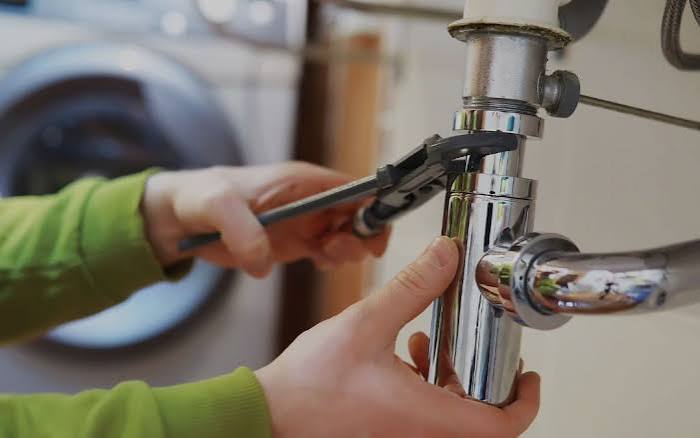
Perform a quick monthly inspection under your sinks, around your water heater, and near washing machines.
Look out for:
- Slow water drips or moisture buildup.
- Visible corrosion or discoloration on metal joints.
- Unusual bulging or cracks on appliance water hoses.
Catching a small drip early prevents mold growth and major structural water damage later.
6. Drain and Flush Your Water Heater Annually
Over time, sediment, rust, and mineral deposits accumulate at the bottom of water heater tanks. This sediment layer acts as a barrier, reducing heat efficiency and causing internal corrosion.
Flushing your water heater at least once a year removes built-up sediment, extends the appliance’s lifespan, and lowers your energy bills.
7. Schedule Professional Plumbing Inspections
While routine DIY checks are helpful, complex utility systems and hidden underground lines require professional expertise. A certified plumbing inspection uses specialized diagnostic tools to detect hidden leaks, pipe degradation, and drainage issues early.
Conclusion
Taking a proactive approach to plumbing maintenance saves time, money, and stress in the long run. By following these simple maintenance practices, you can keep your home’s plumbing system operating at peak performance for years to come.
Need Professional Plumbing Support?
From premium sanitary installations to turnkey commercial & residential plumbing infrastructure, AquaNova Plumbing Solutions delivers reliable expert service.Contact Us Todayfor a consultation!