5 Common Drain Cleaner Myths Destroying Your Pipes (And What to Use Instead)
When faced with a stubborn, standing-water clog in your sink or shower, reaching for a bottle of bright liquid drain cleaner feels like the fastest, cheapest fix. The commercials promise a quick pour, a 15-minute wait, and clear pipes.
However, behind that quick fix lies a harsh truth: most commercial chemical drain openers do far more harm to your plumbing than the clog itself.
Below are the 5 biggest drain cleaner myths ruining household pipes—and the safe, effective alternatives plumbers actually recommend.
Myth 1: “Liquid Drain Cleaners Are Safe for All Types of Pipes”
The Truth:
Chemical drain cleaners rely on high concentrations of sulfuric acid or sodium hydroxide (lye) to create a chemical reaction that generates intense heat.
- PVC/Plastic Pipes: The extreme heat generated by chemical cleaners can soften, warp, or melt plastic joints and glue seals.
- Older Metal/Galvanized Pipes: The harsh acid eats away at aging metal, causing micro-corrosion that thins pipe walls and eventually creates pinhole leaks inside your walls.
The Takeaway: Chemical cleaners don’t discriminate—they eat through pipe materials just as aggressively as they eat through hair and soap scum.
Myth 2: “If It Doesn’t Work the First Time, Just Pour More or Let It Sit Overnight”
The Truth:
If a liquid cleaner fails to clear a block on the first attempt, adding more—or letting it sit—traps caustic chemicals right against your pipe lining.
When a complete blockage stops the liquid from draining, the chemicals sit pool-formed inside the trap. This prolonged exposure rapidly corrodes metal joints, degrades rubber gaskets, and damages fixture finishes. Worse, if you eventually call a plumber, they have to work through a sink full of dangerous, skin-burning acid water.
Myth 3: “Baking Soda and Vinegar Can Dissolve Any Tough Clog”
The Truth:
The viral “baking soda + vinegar” hack is safe for pipes, but its heavy-duty clearing power is largely a myth.
When baking soda (a base) meets vinegar (an acid), they create carbon dioxide gas (fizzing) and result in saltwater with a trace of sodium acetate. While the foaming action can loosen light, fresh grease or freshen up a smelly drain, it lacks the mechanical pressure or chemical strength to break up dense hair mats, tree roots, or hardened mineral scale deep in the line.
Myth 4: “Drain Cleaners Prevent Future Clogs”
The Truth:
Chemical openers only burn a narrow channel through the center of a clog to let water pass—they do not clean the pipe’s full diameter.
Because the rest of the sticky residue stays attached to the pipe walls, hair, food scraps, and soap scum will catch on the remaining buildup almost immediately. Using liquid cleaners creates a cycle in which you end up buying bottle after bottle without addressing the root cause.
Myth 5: “Thick Gel Cleaners Are Safe for Septic Systems”
The Truth:
Septic systems rely on a delicate ecosystem of beneficial bacteria to break down organic waste inside the tank.
When you pour harsh chemical drain openers down the sink, those chemicals flow directly into the septic tank and kill off the natural bacteria. Without these microbes, solid waste fails to decompose properly, leading to expensive septic tank backups, foul odors, and premature drain field failure.
3 Safe Alternatives That Actually Unclog Drains
Instead of risking chemical burn or structural pipe damage, use these safe, plumber-approved methods:
1. Use a Mechanical Drain Snake (Auger) or Zip-Strip
- Best For: Hair clogs in bathroom sinks, tubs, and showers.
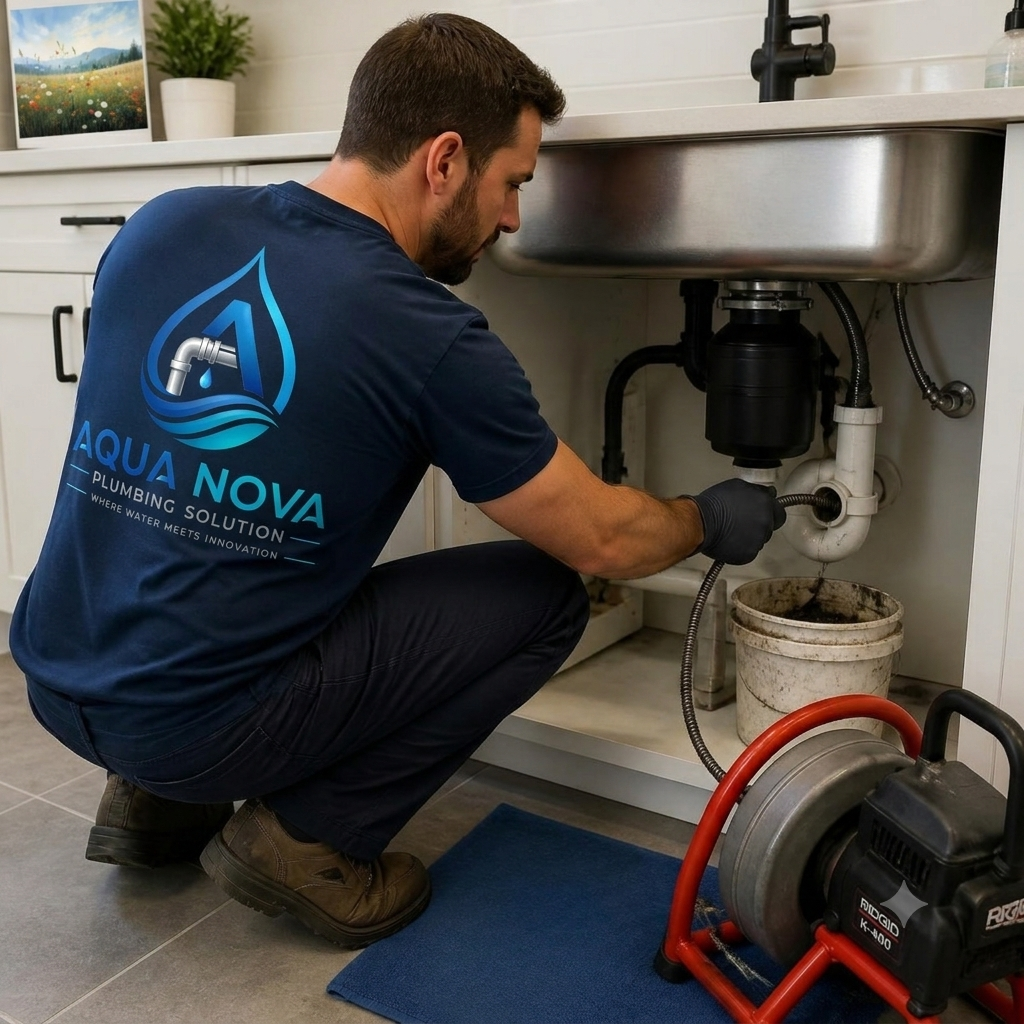
- How It Works: An inexpensive plastic zip-strip or a manual hand-crank drain snake physically grabs and pulls out hair mats and debris without chemicals.
2. Use a Standard Cup Plunger (Properly)
- Best For: Standing water clogs in sinks or toilets.
- How It Works: Ensure there is enough water to cover the plunger cup, block the overflow drain with a wet rag to seal air pressure, and plunge firmly up and down for 20–30 seconds. Water pressure will dislodge most organic blockages.
3. Flush with Hot Water & Dish Soap
- Best For: Kitchen sink grease and soap scum buildup.
- How It Works: Squirt a generous amount of grease-cutting liquid dish soap down the drain, followed slowly by a pot of hot (not boiling) water. The soap breaks down fats while hot water flushes the softened grease down the main line.
When to Call a Professional Plumber
If water backs up into multiple fixtures (e.g., flushing the toilet causes water to rise in the shower), the issue is likely a main line blockage or root intrusion. Mechanical tools or home remedies won’t reach these deep sewer line issues—contact a licensed plumber to inspect the line with a drain camera and clear it safely.